Biscoff Cookie Butter Cake-Spiced Enchantment
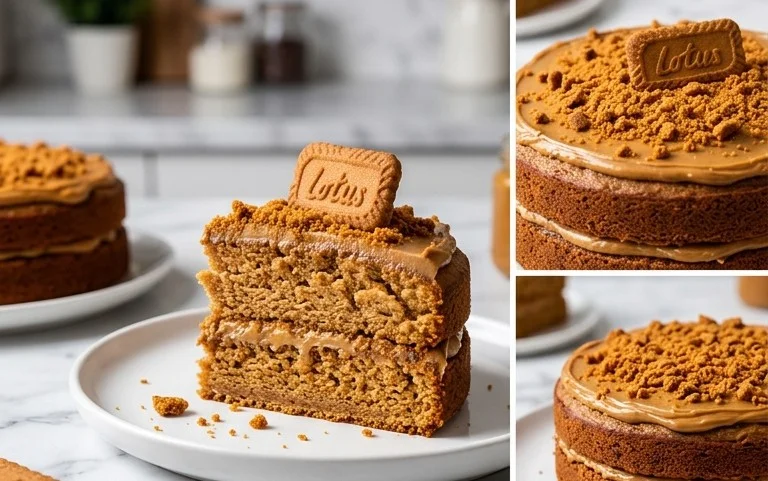
Biscoff Cookie Butter Cake. Oh, just the mention of it makes my taste buds tingle with anticipation! If you, like me, have ever found yourself staring longingly into a jar of Biscoff spread, dreaming of more ways to enjoy its spiced, caramelized magic, then you are in for an absolute treat. This isn’t just any cake; it’s a love letter to that iconic cookie butter. We’re talking about layers of moist, tender cake infused with that distinct Biscoff flavor, all swirled and enrobed in glorious cookie butter. It’s the ultimate comfort dessert, a guaranteed showstopper at any gathering, and frankly, a perfect excuse to indulge. What makes this Biscoff Cookie Butter Cake so special? It’s the ingenious marriage of familiar, beloved flavors into something utterly decadent and unforgettable. Prepare yourself for pure, unadulterated bliss.
Biscoff Cookie Butter Cake
Prepare to be transported to a realm of spiced cookie enchantment with this Biscoff Cookie Butter Cake. This isn’t just any cake; it’s a decadent ode to those irresistible spiced shortbread cookies, transformed into a moist, tender crumb infused with the signature caramelized, cinnamon-spiced flavor of Biscoff cookie butter. We’ll be crafting a truly spectacular cake, from its perfectly balanced batter to a luscious, spreadable frosting that’s as delightful to make as it is to devour. This recipe is designed to be approachable, with detailed steps to ensure a successful bake, even if you’re new to baking with cookie butter. Get ready to impress yourself and everyone lucky enough to share a slice!
Ingredients:
- 2 1/3 cups unbleached cake flour (see notes below for measuring)
- 1 1/2 cups granulated sugar
- 1 tablespoon baking powder
- 1 teaspoon fine sea salt
- 6 tablespoons cubed, unsalted butter (room temperature)
- 1/3 cup Biscoff cookie butter
- 3 large eggs (room temperature)
- 1/2 cup whole milk (room temperature)
- 1/2 cup heavy cream (room temperature)
- 1/2 cup sour cream (room temperature)
- 1/4 cup canola oil (or other neutral oil)
- 2 teaspoons vanilla bean paste
- 2 cups unsalted butter (room temperature)
- 2/3 cup Biscoff cookie butter
- 2 1/2 cups powdered sugar
Biscoff Cookie Butter Cake Baking Instructions:
1. Preparing the Cake Batter: The Foundation of Flavor
First things first, let’s get our oven preheated to 350°F (175°C). I like to grease and flour two 8-inch round cake pans, or line them with parchment paper for extra insurance against sticking. This ensures a beautiful, intact cake every time. In a large bowl, whisk together the cake flour, granulated sugar, baking powder, and salt. Whisking these dry ingredients ensures they are evenly distributed, which helps the cake rise evenly. In a separate medium bowl, cream together the room temperature unsalted butter and 1/3 cup of Biscoff cookie butter. Creaming means beating them together until light and fluffy. This incorporates air, which contributes to a tender crumb. You can do this with a stand mixer fitted with the paddle attachment, or with a hand mixer. Once creamy, beat in the room temperature eggs, one at a time, making sure to scrape down the sides of the bowl after each addition. This prevents pockets of unmixed egg. Next, in a small jug or bowl, whisk together the whole milk, heavy cream, sour cream, canola oil, and vanilla bean paste. The combination of milk, cream, and sour cream will contribute to an incredibly moist and tender cake, while the oil adds to the softness and prevents dryness. The vanilla bean paste provides little flecks of vanilla and a richer flavor than extract.
2. Combining Wet and Dry: The Art of Gentle Mixing
Now, we’re going to alternate adding the dry ingredients and the wet ingredients to the butter and egg mixture. Start by adding about one-third of the dry ingredients to the butter mixture and mix on low speed until just combined. Then, add half of the wet ingredients and mix until just combined. Repeat this process: add another third of the dry ingredients, then the remaining half of the wet ingredients, and finally, the last third of the dry ingredients. It’s crucial to mix on low speed and only until *just* combined after each addition. Overmixing at this stage can develop the gluten in the flour too much, leading to a tough cake. Scrape down the sides and bottom of the bowl frequently to ensure everything is incorporated evenly. The batter should be smooth and well-combined, with no streaks of dry flour remaining.
3. Baking to Perfection: The Golden Hue of Success
Divide the batter evenly between the prepared cake pans. You can use a kitchen scale for ultimate precision, but eyeballing it is usually fine. Smooth the tops with a spatula. Tap the pans gently on the counter a couple of times to release any large air bubbles. Now, bake in the preheated oven for 28-35 minutes, or until a wooden skewer or toothpick inserted into the center of the cakes comes out clean. The baking time can vary depending on your oven, so start checking around the 28-minute mark. The cakes should be golden brown on top and spring back lightly when gently pressed. Once baked, let the cakes cool in their pans for about 10-15 minutes before inverting them onto a wire rack to cool completely. It’s essential that the cakes are entirely cool before frosting, otherwise, the frosting will melt and become a messy disaster.
4. Crafting the Biscoff Frosting: The Crown Jewel
While the cakes are cooling, let’s make that glorious Biscoff frosting. In a large bowl, beat the 2 cups of room temperature unsalted butter until it’s light and fluffy. This might take a few minutes, and it’s worth the wait for a smooth frosting. Add the 2/3 cup of Biscoff cookie butter and beat until well combined and smooth. Then, gradually add the powdered sugar, about a cup at a time, beating on low speed until it’s incorporated. Once all the powdered sugar is added, increase the speed to medium-high and beat for another 2-3 minutes until the frosting is light, airy, and spreadable. If the frosting seems too thick, you can add a tablespoon of milk or cream at a time until it reaches your desired consistency. If it’s too thin, add a little more powdered sugar. Taste and adjust sweetness if needed, though it’s usually perfectly sweet.
5. Assembling and Enjoying: The Grand Finale
Once your cakes are completely cool, it’s time to assemble! Place one cake layer on your serving plate or cake stand. Spread a generous layer of the Biscoff frosting evenly over the top. Carefully place the second cake layer on top. Then, frost the entire cake – the top and sides – with the remaining Biscoff frosting. You can go for a smooth finish by using an offset spatula, or create some lovely swirls and textures for a more rustic look. For an extra touch, you can crumble a few Biscoff cookies and sprinkle them around the base or on top of the cake. Slice, serve, and savor every single bite of this incredible Biscoff Cookie Butter Cake. It’s a flavor experience you won’t soon forget!
Conclusion:
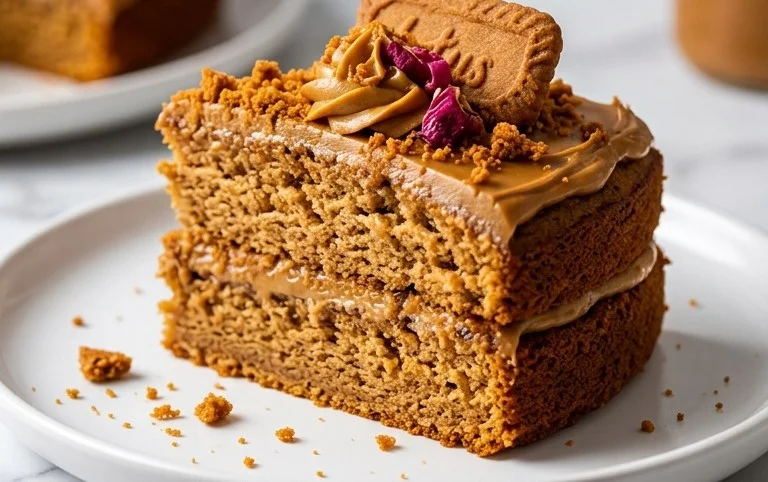
And there you have it – your guide to creating an absolutely divine Biscoff Cookie Butter Cake! This recipe is a true winner because it transforms the beloved flavors of Speculoos cookies and creamy cookie butter into a moist, decadent cake that’s perfect for any occasion. The easy-to-follow steps ensure that even novice bakers can achieve impressive results, filling your kitchen with an irresistible aroma. Imagine the delight on your loved ones’ faces as they take their first bite of this unique and comforting dessert!
This Biscoff Cookie Butter Cake is incredibly versatile. It’s wonderful served simply dusted with powdered sugar, but for an extra touch of indulgence, consider a luscious cookie butter frosting or a drizzle of melted chocolate. For variations, feel free to fold in some chopped Biscoff cookies for added texture, or swirl in a generous amount of extra cookie butter into the batter before baking. You could even add a hint of cinnamon or a touch of espresso powder to deepen the flavor profile. Don’t hesitate to get creative and make this recipe your own! I truly encourage you to give this Biscoff Cookie Butter Cake a try; it’s a guaranteed crowd-pleaser and a delightful new addition to your baking repertoire.
Frequently Asked Questions:
Can I make this cake ahead of time?
Absolutely! This Biscoff Cookie Butter Cake actually tastes even better the next day as the flavors meld together. You can bake it a day in advance, let it cool completely, and store it in an airtight container at room temperature. If you’re frosting it, it’s best to frost it closer to serving time for the freshest appearance.
What can I use if I can’t find cookie butter?
While cookie butter is the star of this Biscoff Cookie Butter Cake, you can substitute it with a similar smooth almond butter or a very smooth peanut butter for a different but still delicious flavor. However, the authentic Biscoff flavor will be missed. You could also try a smooth graham cracker spread if you can find one, or even a smooth peanut butter mixed with a little cinnamon and brown sugar.
How should I store leftover cake?
Store any leftover Biscoff Cookie Butter Cake in an airtight container at room temperature for up to 3 days. If your kitchen is particularly warm or humid, or if you’ve frosted it with a cream cheese-based frosting, it’s best to refrigerate it. Just be sure to bring it back to room temperature before serving for the best texture.
Biscoff Cookie Butter Cake
A rich and flavorful cake infused with the delicious taste of Biscoff cookie butter, perfect for any celebration.
Ingredients
-
2 1/3 cups unbleached cake flour
-
1 1/2 cups granulated sugar
-
1 tablespoon baking powder
-
1 teaspoon fine sea salt
-
6 tablespoons cubed, unsalted butter (room temperature)
-
1/3 cup Biscoff cookie butter
-
3 large eggs (room temperature)
-
1/2 cup whole milk (room temperature)
-
1/2 cup heavy cream (room temperature)
-
1/2 cup sour cream (room temperature)
-
1/4 cup canola oil
-
2 teaspoons vanilla bean paste
-
2 cups unsalted butter (room temperature)
-
2/3 cup Biscoff cookie butter
-
2 1/2 cups powdered sugar
Instructions
-
Step 1
Preheat oven to 350°F (175°C). Grease and flour two 8-inch round cake pans. -
Step 2
In a large bowl, whisk together the cake flour, granulated sugar, baking powder, and salt. -
Step 3
In a separate bowl, cream together the 6 tablespoons of butter and 1/3 cup of Biscoff cookie butter until light and fluffy. -
Step 4
Beat in the eggs one at a time, then stir in the milk, heavy cream, sour cream, canola oil, and vanilla bean paste until just combined. -
Step 5
Gradually add the dry ingredients to the wet ingredients, mixing on low speed until just incorporated. Do not overmix. -
Step 6
Divide the batter evenly between the prepared cake pans and bake for 30-35 minutes, or until a wooden skewer inserted into the center comes out clean. -
Step 7
Let the cakes cool in the pans for 10 minutes before inverting them onto a wire rack to cool completely. -
Step 8
For the frosting, cream together the 2 cups of butter and 2/3 cup of Biscoff cookie butter until smooth. Gradually beat in the powdered sugar until well combined and fluffy. -
Step 9
Frost the cooled cake layers as desired.
Important Information
Nutrition Facts (Per Serving)
It is important to consider this information as approximate and not to use it as definitive health advice.
Allergy Information
Please check ingredients for potential allergens and consult a health professional if in doubt.